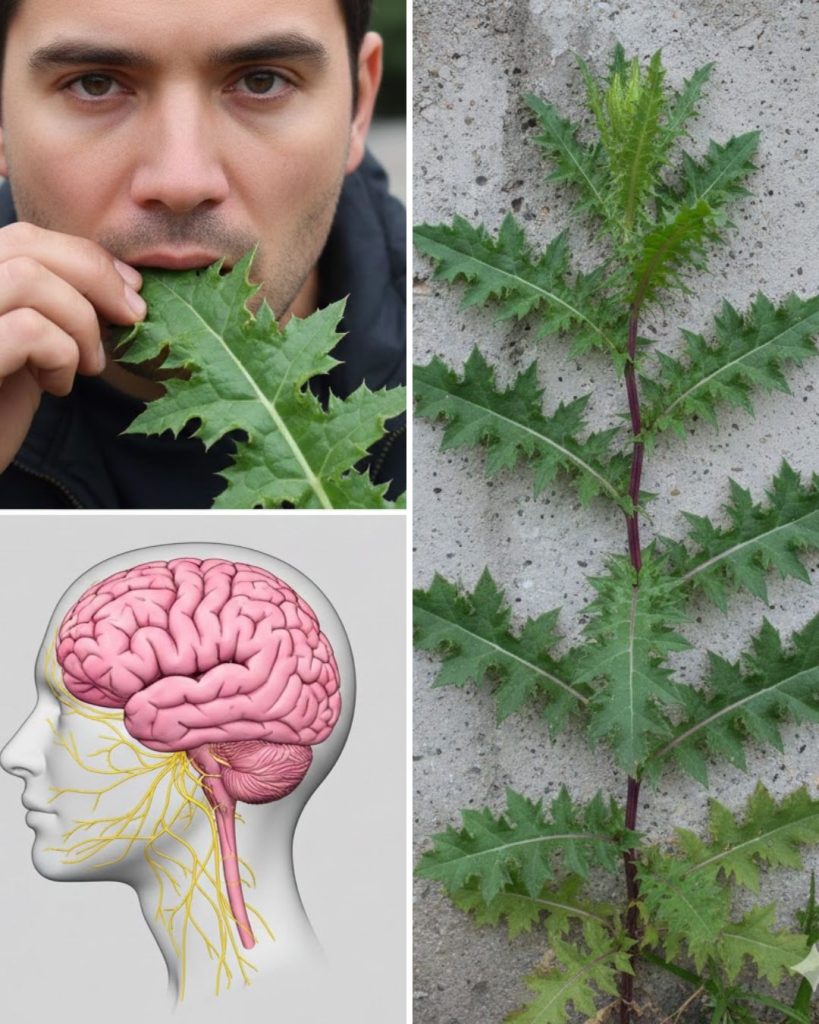
The Powerful Benefits of Eating Lactuca serriola Leaves (Prickly Lettuce)
Lactuca serriola, commonly known as prickly lettuce or wild lettuce, is a resilient plant that thrives almost everywhere—along roadsides, in open fields, vacant lots, and even between garden beds. Many people overlook it as a stubborn weed. Yet traditionally, its young leaves have been gathered as both a nourishing wild green and a gentle wellness-supporting food.
Although the mature plant becomes tall, tough, and intensely bitter—with noticeable spines along its stem and leaf midrib—the young leaves harvested early in the season are far milder. When picked at the right stage, they offer impressive nutritional value and subtle therapeutic qualities.
Below is a clear, expanded guide explaining why this humble wild plant deserves far more recognition.
What Makes Lactuca serriola Leaves Unique?
Prickly lettuce belongs to the same botanical family as cultivated garden lettuce, but it contains more pronounced natural compounds. Among its most notable components are:
-
Lactucin and lactucopicrin (naturally occurring bitter compounds)
-
Lactucarium (a milky sap traditionally valued for calming properties)
-
Vitamins and minerals
-
Antioxidant-rich plant polyphenols
These compounds contribute to the plant’s digestive, calming, antioxidant, and gently detoxifying effects. Unlike highly processed supplements, consuming the young leaves provides these benefits in a milder, food-based form.
Top Health Benefits of Eating Lactuca serriola Leaves
1. Gentle Calming and Relaxation Support
The plant contains mild sedative-like compounds that may help ease restlessness, nervous tension, and everyday stress when consumed in small amounts. Traditionally, young leaves were eaten fresh or lightly cooked to promote relaxation without heavy drowsiness.
2. Supports Digestive Function
Like many bitter greens, wild lettuce stimulates digestive secretions. Bitters encourage the release of stomach acid and digestive enzymes, helping the body break down food more efficiently and potentially reducing bloating after meals.
3. Mild Detox and Liver Support
Traditional herbal systems viewed prickly lettuce as a supportive plant for liver function. Its bitter principles and antioxidants may help assist the body’s natural detoxification pathways and waste elimination processes.
4. Anti-Inflammatory Properties
Natural plant compounds in the leaves may contribute to balancing inflammation. When included as part of a varied diet rich in greens, they may support joint comfort and overall physical resilience.
5. Rich in Essential Nutrients
Young leaves provide valuable micronutrients, including:
-
Vitamin A – supports eye health and skin renewal
-
Vitamin C – aids immune defense and collagen production
-
Vitamin K – important for blood clotting and bone strength
-
Potassium – supports heart and fluid balance
-
Calcium and magnesium – essential for muscles and bones
Though not consumed in large volumes, these nutrients add to overall dietary diversity.
6. Encourages Healthy Sleep Patterns
While not a strong sedative when eaten as food, its calming plant compounds may gently support a balanced nervous system. Some individuals report improved sleep quality when incorporating small amounts of the leaves or mild infusions into their routine.

7. Traditional Support for Mild Aches
Historically, prickly lettuce was associated with easing minor discomfort. Lactucin and lactucopicrin have been studied for their mild analgesic-like effects. Eating the young leaves offers a very subtle, food-level version of this traditional use.