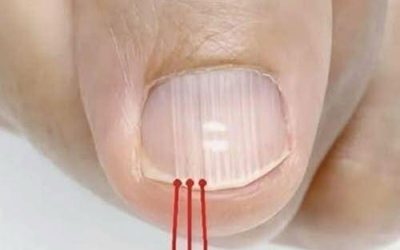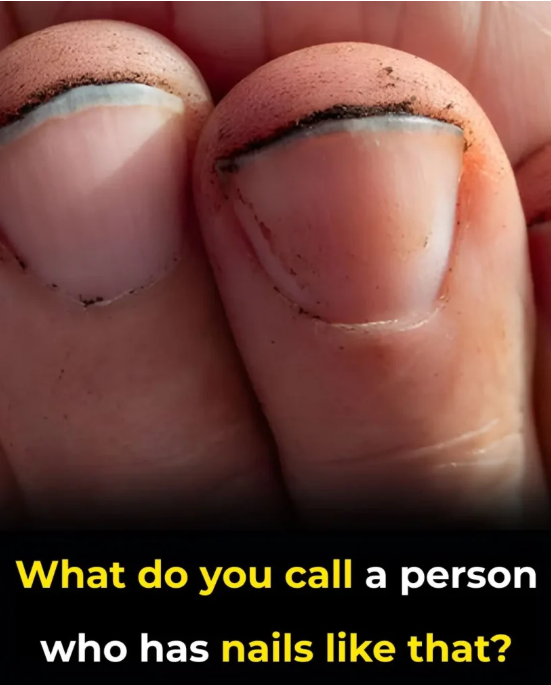
When someone has nails that appear thickened, discolored, brittle, or partially detached from the nail bed, people often react with curiosity — and sometimes with misunderstanding.
Many immediately assume poor hygiene, neglect, or even unusual personal style choices.
However, in most cases, nails that look abnormal are not about fashion or cleanliness at all.
They are often a sign of a medical condition, commonly known as onychomycosis, or more simply, a fungal nail infection.
Let’s explore what such a person is commonly called, what it is often misunderstood as, and what is truly happening biologically when nails begin to deteriorate.

What Do You Call a Person With Nails Like That?
There is no special label for a person with damaged or infected nails.
Medically speaking, the condition is called onychomycosis when caused by fungi.
If the nail is lifting away from the nail bed, it may also involve onycholysis.
When nails become thick and claw-like, it can sometimes be referred to as onychogryphosis.
Importantly, these terms describe the condition — not the person.
It is inaccurate and insensitive to label someone negatively based on nail appearance. Nail diseases are medical issues, not personality traits.
What Is It Often Mistaken For?
People frequently misunderstand fungal nail infections as:
- Poor personal hygiene
- Dirty habits
- Smoking damage
- Nutritional deficiency only
- A cosmetic issue
- Simply “old age nails”
In reality, while hygiene can influence risk, fungal infections can affect anyone — including very clean, health-conscious individuals.
Another common misunderstanding is confusing fungal infection with psoriasis-related nail changes.
Nail psoriasis can cause pitting, discoloration, and thickening that resemble fungal damage.
Without medical testing, it is difficult to distinguish between them visually.
Because fungal nails often appear yellow, brown, crumbly, or thickened, observers may jump to conclusions.
But the visible damage is a symptom of infection, not neglect.