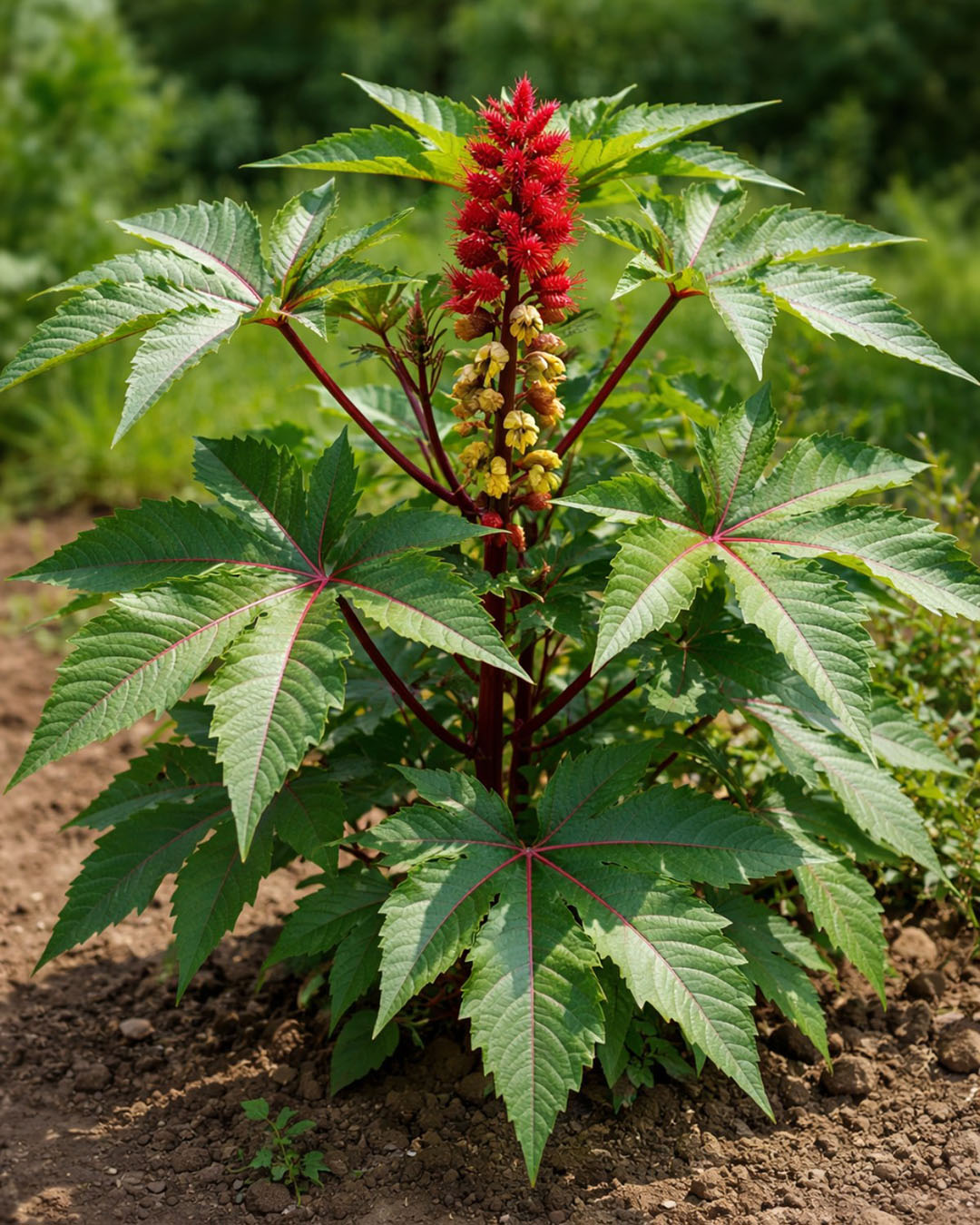
Castor beans often pique curiosity, as they feature prominently in many accounts of traditional practices. However, it is essential to remember a fundamental point: they should never be consumed raw. Their handling and processing require specific, historically regulated expertise.
In a modern and responsible approach to well-being, indirect and safe uses are therefore preferred, particularly in the form of ready-to-use castor oil, available commercially and intended exclusively for external use.
The castor oil used today in cosmetics is industrially manufactured because castor seeds are extremely toxic: they contain ricin, a substance that is dangerous even in very small doses.
Preparing something at home is risky, as it can lead to:
- incomplete neutralization of toxins,
- oil contamination,
- a serious danger through contact, inhalation or accidental ingestion.
Castor oil, the most commonly used form today

Wellness recipe with castor oil (external use)
This preparation is ideal for dry skin , tense areas or moments of relaxation , especially at the end of the day.
Ingredients
- 2 tablespoons of castor oil (cosmetic grade, cold-pressed)
- 1 tablespoon of sweet almond oil or olive oil
- (Optional) 2 to 3 drops of true lavender essential oil (for adults only)
Preparation
- Pour the vegetable oils into a small clean bowl or a glass bottle.
- Mix gently until you obtain a smooth texture.
- If you are using an essential oil, add it last and mix again.
Use
- Apply a small amount to the desired area (arms, legs, stomach, scalp).
- Massage slowly in circular motions until partially absorbed.
- For a relaxing moment, opt for an application in the evening.
Practical advice
- Always perform a skin test in the crook of the elbow 24 hours before first use.
- For external use only .
- Do not use if pregnant or breastfeeding.
- Avoid contact with the eyes and avoid ingestion.
This recipe is part of a comfort and care approach , without seeking a therapeutic effect, and can easily be integrated into a simple and gentle wellness routine.
Digestive and respiratory traditions… to be placed in their context
In some cultures, castor oil is used to support digestive or respiratory comfort. These practices are based on ancient traditions, passed down orally, and should not be replicated without in-depth knowledge or proper supervision.
Today, when taking an interest in plants, it is recommended to adopt a modern and cautious approach: to draw inspiration from traditions, yes, but always with a critical and informed eye.