
What Is Actually Happening? (The Science Behind It)
Fungal nail infections occur when microscopic fungi enter the nail through small cracks or separation between the nail and nail bed.
The most common fungi involved are dermatophytes, but yeasts and molds can also cause infection.
Once inside, the fungi feed on keratin, the protein that makes up nails.
As they multiply, they disrupt the nail’s normal growth pattern.
This leads to:
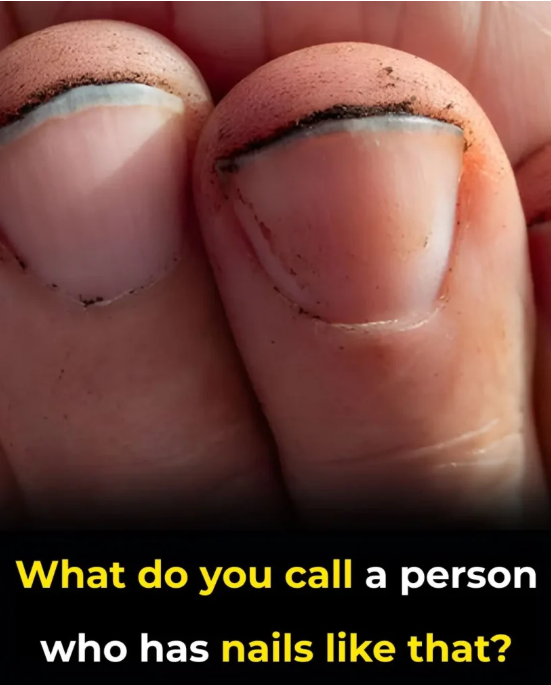
- Yellow, white, or brown discoloration
- Thickening of the nail
- Brittleness or crumbling edges
- Distortion in shape
- Foul odor in some cases
- Separation from the nail bed
Because nails grow slowly, infections can persist for months or even years without treatment.
Why Does It Happen?
Several factors increase the risk of fungal nail infection:
1. Warm, Moist Environments
Fungi thrive in warmth and moisture. Wearing tight shoes, sweating frequently, or spending time in public pools and locker rooms increases exposure.
2. Aging
As people age, nail growth slows and circulation decreases. Nails may also become more brittle, making them easier for fungi to penetrate.