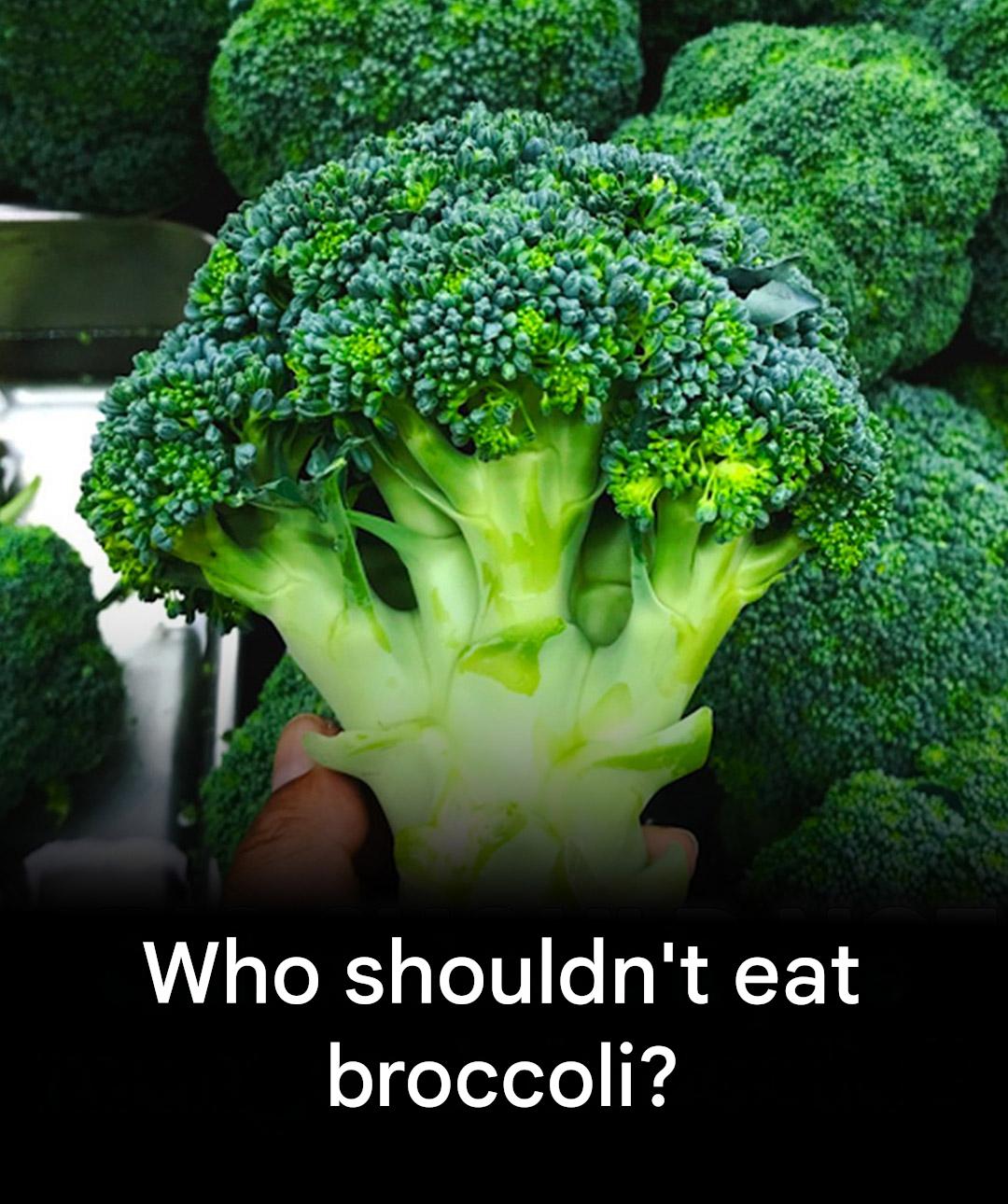
We either love it… or we've hated it since childhood. Yet, broccoli clearly deserves a second chance. Behind its somewhat rustic appearance and its sometimes disconcerting smell when cooked, this green vegetable hides a remarkable nutritional richness. Available from late autumn, easy to cook, and low in calories, it ticks all the boxes for those who want to eat a more balanced diet without complicating things. The key is knowing how to choose it, prepare it, and above all, make it shine.
Why broccoli is a true powerhouse of benefits

Broccoli belongs to the large family of winter vegetables known for their nutritional density. It naturally contains essential vitamins, notably vitamin C, but also B vitamins, as well as vitamins A and K, which contribute to the overall proper functioning of the body.
In terms of minerals, it provides potassium, calcium, and iron, which are essential for maintaining energy and balance. Its high fiber content also makes it a valuable ally for digestion and promoting a feeling of fullness, which explains why it is often recommended as part of a varied and balanced diet.
Another significant advantage: broccoli is very low in calories, with approximately 30 kcal per 100 grams. Mostly composed of water, it allows you to fill your plate without weighing it down, while adding color and texture.
Consume with common sense

Even the most delicious foods deserve a little moderation. Broccoli is high in fiber, which can cause bloating in people with sensitive digestive systems, especially when eaten in large quantities or undercooked.
It also contains compounds naturally present in this family of vegetables, which can interfere with the absorption of certain nutrients in specific individuals. Nothing to worry about as part of a balanced diet, but as always, variety is key.