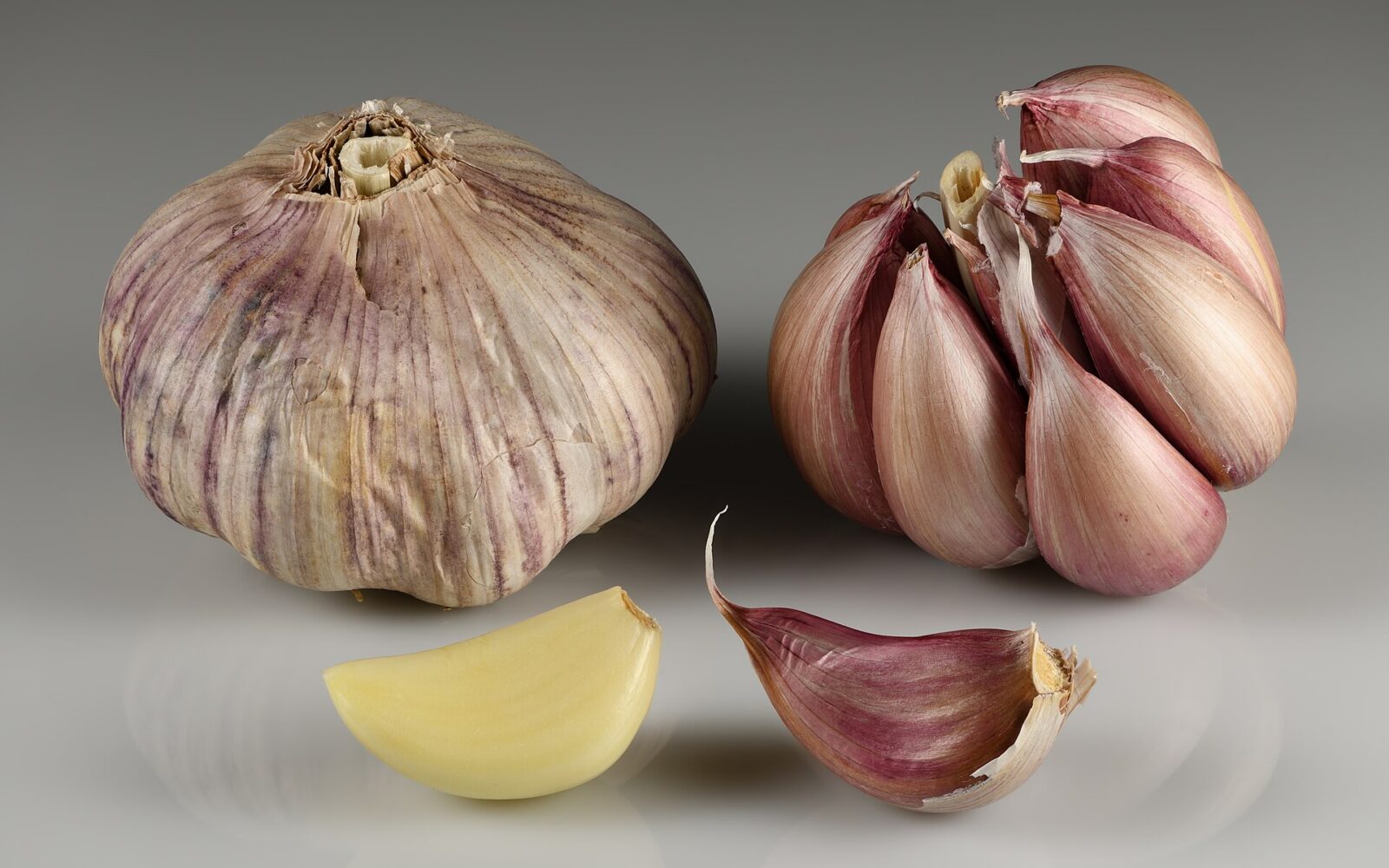
Fresh garlic and roasted garlic are not interchangeable versions of the same thing. They are closer to siblings with very different temperaments. Fresh garlic is sharp, bright, and impatient. Roasted garlic is mellow, sweet, and almost spreadable. Knowing which one you want changes the mood of the dish before anything else has happened.
This matters because garlic is often treated as background. In reality, it can steer the whole pan. The right choice is less about rules and more about what kind of energy the dish needs.
When fresh garlic wins
Fresh garlic is better when you want definition. It cuts through beans, wakes up greens, sharpens sauces, and gives oil a quick, vivid aroma. Used carefully, it makes a dish feel alert. Used carelessly, it becomes bitter or bossy.
That is why fresh garlic works especially well in quick cooking, where its brightness stays intact. A short sizzle in oil or a final grating into a dressing can be enough.
Fresh garlic is the right choice when a dish needs direction. It can turn a pan of beans from soft to lively, give sauteed greens something to lean against, or make a simple vinaigrette feel sharper and more immediate. Even a small clove can do a surprising amount of work when the rest of the ingredients are mild.
When roasted garlic wins
Roasted garlic is better when you want roundness instead of edge. It disappears into mash, soup, yogurt, or soft sauces in a way fresh garlic never can. You get depth without aggression, and sweetness without added sugar.
It is useful when the dish is already delicate or when you want the garlic to support rather than announce itself.
This is what makes roasted garlic such a good partner for dairy, root vegetables, and soft legumes. It blends. It enriches. It expands the flavor of a dish without forcing the eater to stop and identify garlic as a distinct event. In recipes where calmness matters more than punch, that is a real advantage.
Why the difference feels so large