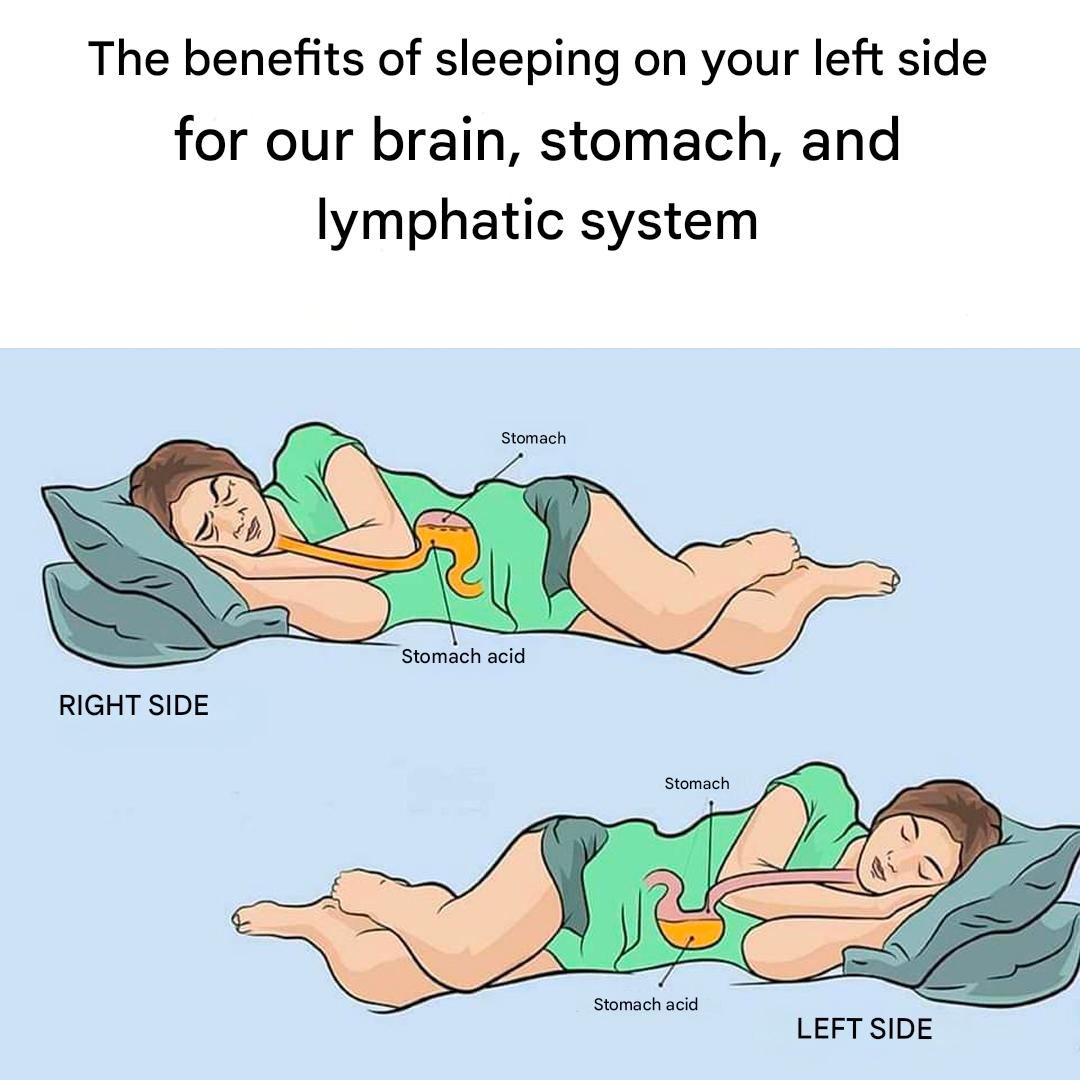
Sometimes, a single detail is all it takes to transform the quality of our sleep. A pillow that's too flat, a duvet that's too warm… or simply a sleeping position that doesn't suit us. What if the key to more restorative sleep lay in a very simple habit: sleeping on your left side? This posture is increasingly intriguing wellness specialists. It could influence digestive comfort, nighttime recovery, and even some of the body's natural functions.
So, is it just a trendy idea or a genuine little secret for better sleep? Let's find out.
Why your sleeping position influences your well-being
We spend about a third of our lives sleeping. Yet, the position we adopt during these long hours is often left to chance. On our back, on our stomach, on our side… each position has a different influence on the body.
Certain positions can compress certain organs or alter the natural circulation of fluids in the body. Conversely, others allow the body to function more harmoniously during the night, a period when it regenerates.
Of all the possible positions, the one on the left side is particularly noteworthy. And for good reason: it could offer several interesting advantages for nighttime comfort and promote restful sleep .
A discreet ally for a more peaceful stomach

Have you ever experienced digestive discomfort in the middle of the night, especially after a heavy dinner? The position in which we sleep can play a role.
When you sleep on your left side, your stomach naturally positions itself below your esophagus. As a result, digestive juices tend to stay in place rather than flowing back up. This position helps maintain better digestive balance during the night.
Conversely, sleeping on your right side can sometimes lead to a feeling of heaviness or discomfort after meals. Nothing dramatic, of course, but sleeping on your left side can contribute to more peaceful nights for some people.
A simple change of posture, and the body seems to find its nocturnal rhythm more easily.