
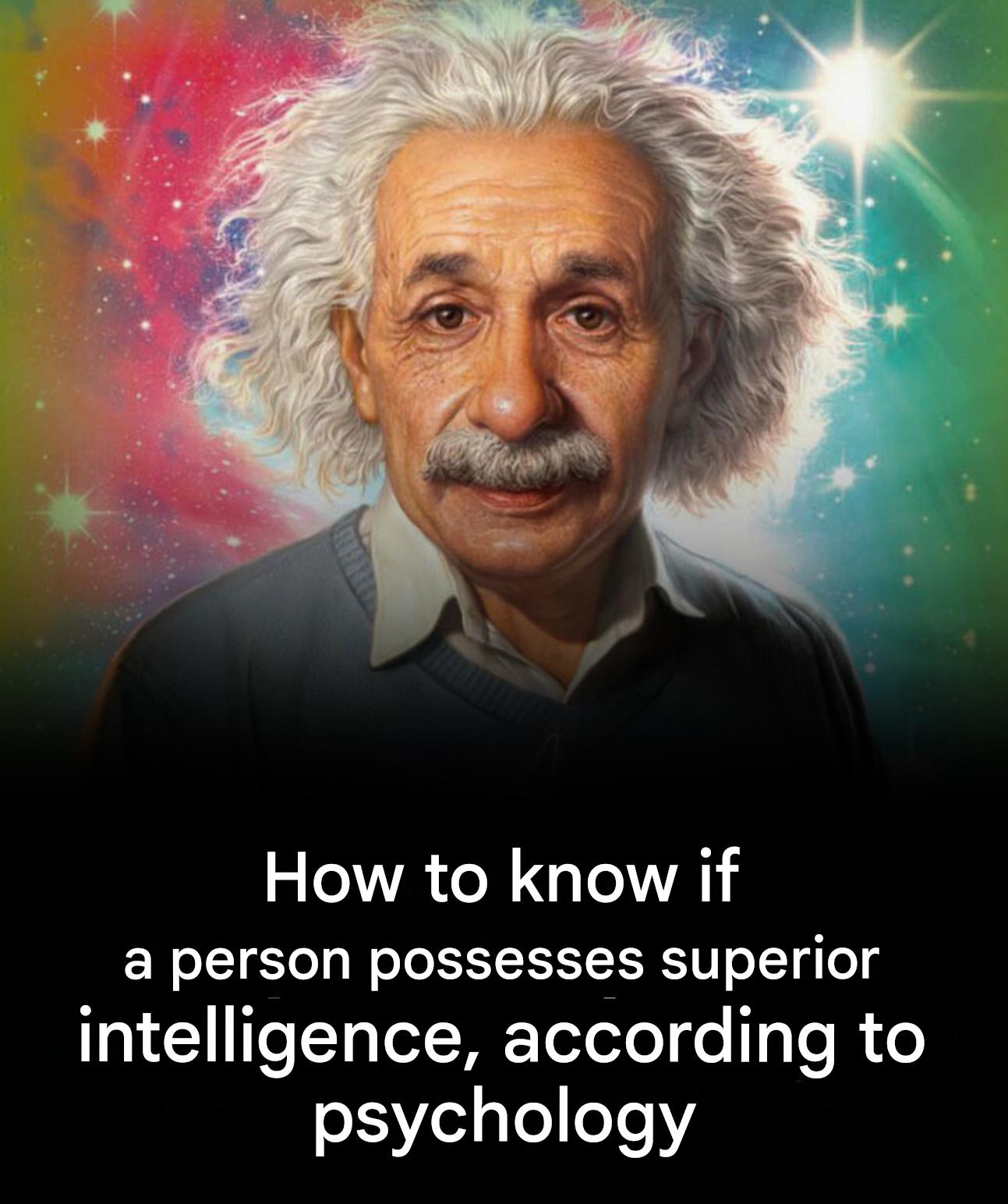
We often imagine intelligence as something spectacular: numbers, diplomas, complicated words. Yet, in real life, it sometimes slips in where we least expect it. It can even be mistaken for absentmindedness, reserve, or a certain eccentricity. What if, without realizing it, you were encountering (or embodying) superior intelligence? Certain everyday behaviors, validated by psychology, raise red flags… but you still need to know how to spot them.
Superior intelligence begins with meaning, not method.

Many people reason based on their current skills: "What can I do today, and how can I use it?" Higher intelligence individuals, however, often work in the opposite way. They start by defining what they truly want, and then look for the path to achieve it.
This way of thinking may seem ambitious, even unrealistic, but it is above all very stimulating. By setting a high goal, the brain is activated, learns, and adapts. It's a bit like choosing a recipe before buying the ingredients: you learn along the way, rather than limiting yourself to what you already have in the cupboard.
They offer solutions rather than focusing on the problems.

Identifying a problem is useful, but going further makes all the difference. People with superior intelligence tend to analyze a situation as a whole, then imagine several avenues for improvement.
At work and in their personal lives, they rarely arrive empty-handed: they think things through, mentally test options, and evaluate the consequences. This proactive approach is valued because it demonstrates a genuine capacity for understanding and anticipation. It also fosters continuous learning, even when not all ideas are adopted.
They know their brains can be wrong
What do you call a person with nails like that?

Having this plant in your garden is more valuable than finding money…

If you have these lines on your nails after 40, it is a clear sign that..
Count the lines on your palm and discover what they might mean for your future

He made a desperate plea to Americans

more below..
