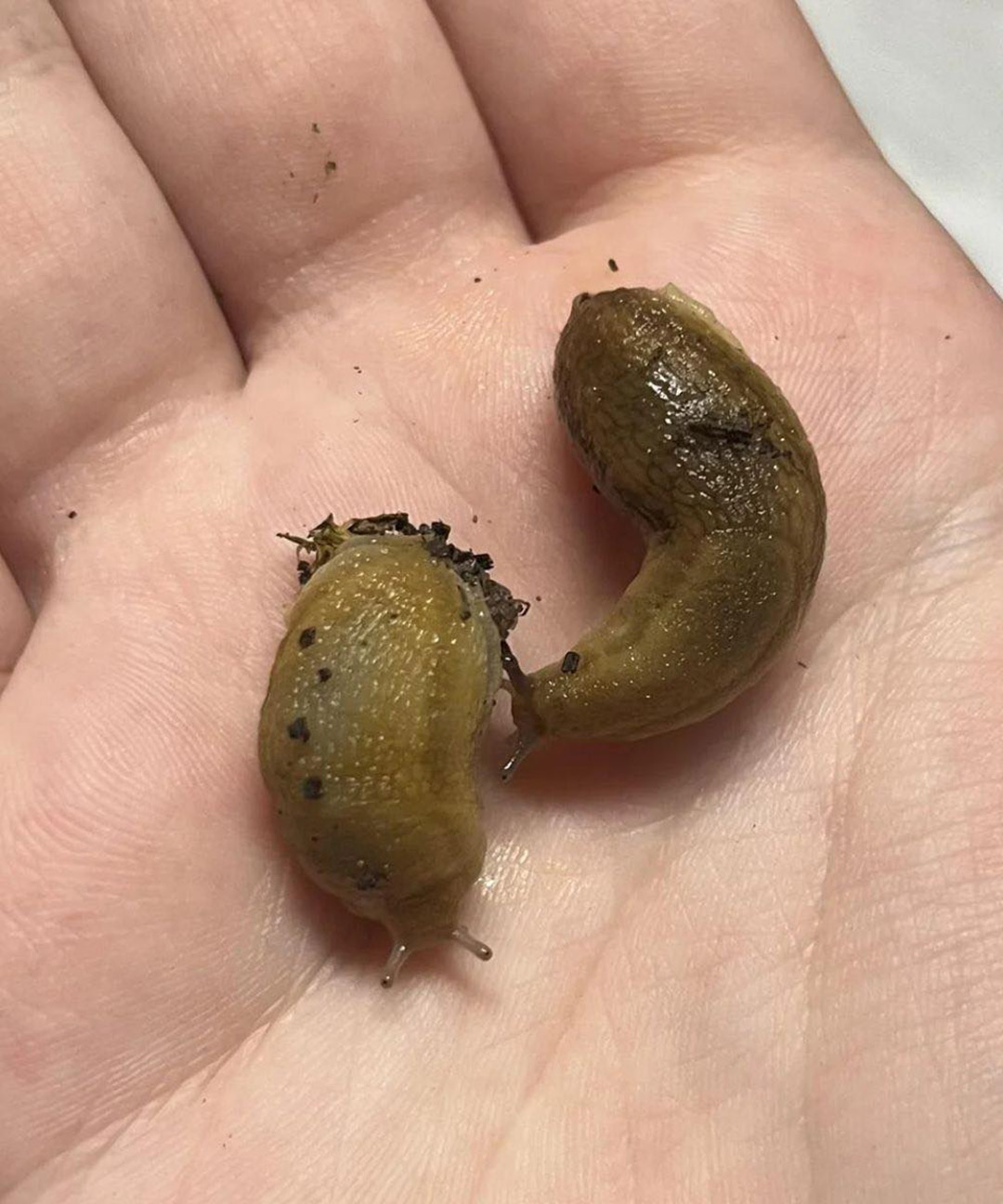
The night is calm, the light is dim… and suddenly, a shiny mark on the tiles catches your eye. Surprise! A slug has invited itself into your home. Don't panic, you're neither dirty nor cursed: if these little visitors appear inside, it's never by chance. What if your house is simply trying to send you a message? Before resorting to drastic measures, let's take the time to understand what these discreet guests are really after. This situation is often linked to a subtle but very real humidity problem.
Excessive humidity in the home: the first warning sign
Slugs love damp environments; it's their favorite playground. If you see them indoors, chances are your home retains too much moisture. A tiny leak under the sink, a bathroom floor that doesn't dry properly, persistent condensation on the windows—these are all details we tend to overlook in our daily lives. However, over time, this excess humidity can also lead to unpleasant odors and damage building materials.
The best approach: quickly repair small leaks, ventilate rooms daily, especially after showering or cooking, and, if necessary, install a dehumidifier in the most affected areas.
Cracks and micro-openings: unsuspected entry points

It's often forgotten, but a slug only needs a few millimeters to squeeze through. A worn seal, a tiny crack in a wall, a gap under a poorly fitting door… and that's all it takes. If they appear regularly, it's probably because they've found a recurring entry point.
Act immediately: inspect door thresholds, window frames, and areas around pipes, then seal with appropriate sealant or replace worn seals.
Soaked garden: when the outdoors grows indoors
After heavy rain or a prolonged period of damp weather, slugs seek drier shelter. If your garden is waterlogged, they may naturally head indoors. Mulch piled up against walls, plants too close to the facade, or inadequate drainage create a real link between the outside and the house.
A smart tip: clear the foundations, space out your plantings, and improve water runoff around the house to avoid constantly damp areas.