
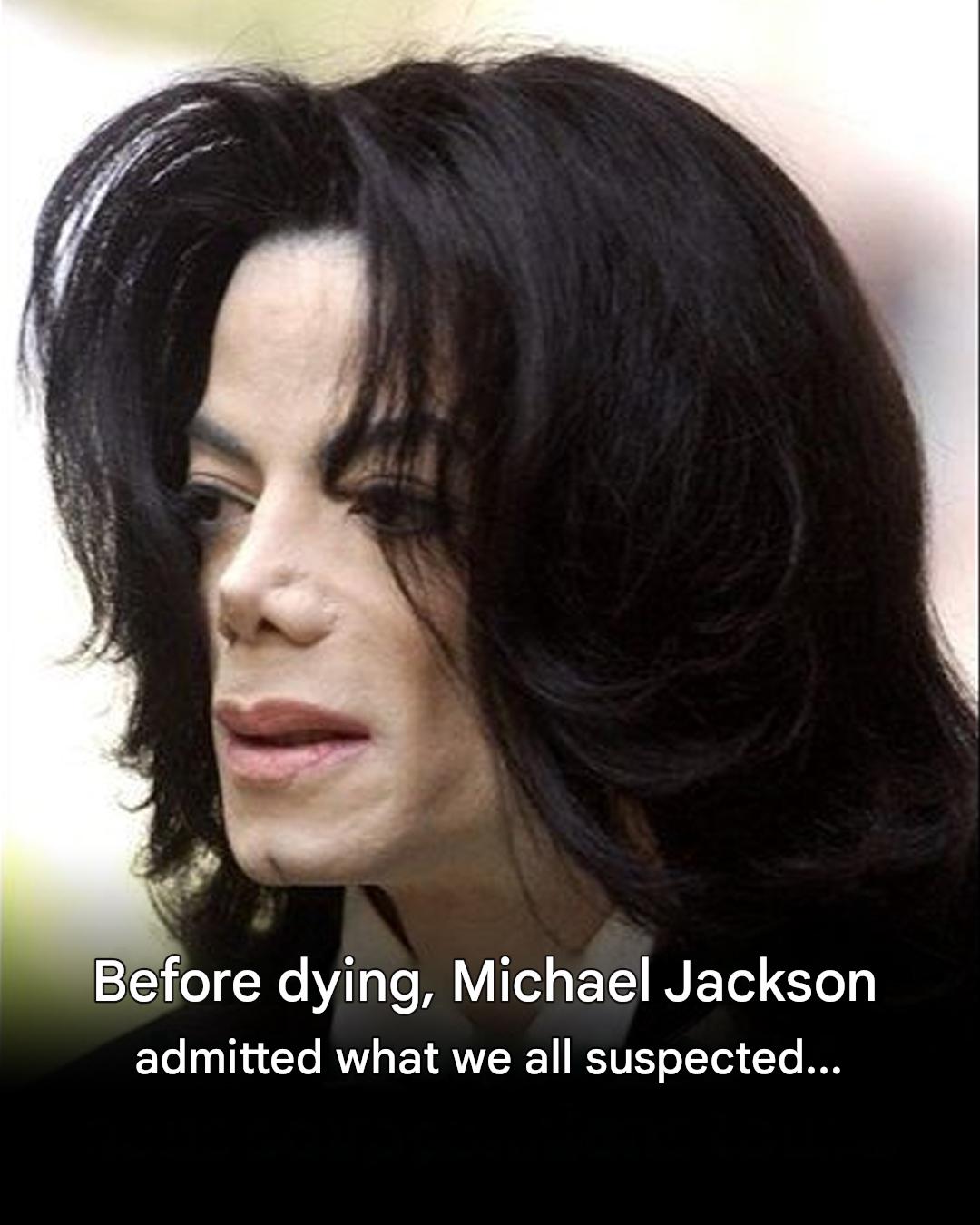
Long surrounded by rumors, Michael Jackson's skin condition was actually vitiligo, a dermatological condition that alters pigmentation and explains the transformations in his appearance.
With the recent release of the Michael Jackson biopic, a question has resurfaced: what exactly was the skin condition the King of Pop suffered from? Long shrouded in rumors and sometimes erroneous interpretations, the singer himself had nevertheless mentioned his vitiligo during his 1993 interview with Oprah Winfrey. This statement was later officially confirmed by his autopsy report, which validated the presence of this dermatological condition. Behind the visible changes in his appearance, therefore, lies a medical reality quite different from the speculations that circulated for years.
A skin disease related to pigmentation
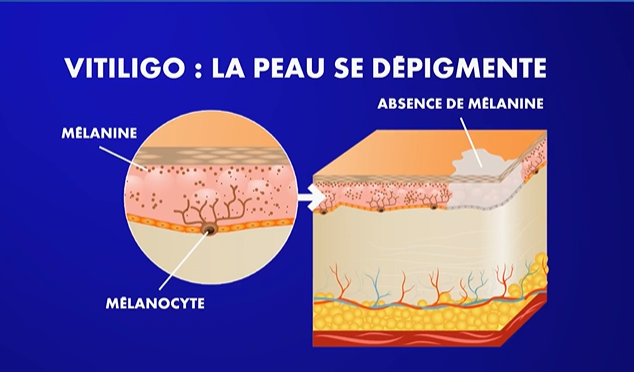
Vitiligo is a disease that directly affects skin pigmentation. Specifically, it leads to the progressive disappearance of the cells responsible for color, called melanocytes. As a result, certain areas of the body become lighter and lose their natural pigmentation.
This phenomenon can appear on different parts of the body: face, hands, arms, legs… and sometimes spread more widely. These are then referred to as more extensive forms of vitiligo.
What is often surprising is its very marked visual appearance, which can evolve over time and give an impression of significant contrast between the affected areas and the rest of the skin.
What do you call a person with nails like that?

Having this plant in your garden is more valuable than finding money…

If you have these lines on your nails after 40, it is a clear sign that..

Count the lines on your palm and discover what they might mean for your future

He made a desperate plea to Americans

more below..
